
Best overall: a parallel Retatrutide–Tirzepatide research panel. Best for interaction studies: a separately controlled BPC157–TB500 panel. Best for focused characterization: GHK-Cu with matched controls. The best peptide stacks for laboratories in 2026 are experimental designs with identifiable components—not combinations selected because a stack name sounds persuasive.
- Choose peptide stacks for laboratories by experimental question, component identity, and controls—not blend names.
- Compare Retatrutide and Tirzepatide in separate research arms before considering combination experiments.
- Use BPC157 and TB500 individual controls to interpret a combined research condition.
- Evaluate Southwestaminos research peptides against your laboratory’s documentation requirements before purchasing.
Why this matters
A peptide stack is not a standardized scientific category. The term can describe a preblended material, separate compounds purchased together, or a panel evaluated across different experimental conditions. Those arrangements answer different questions.
Southwestaminos sells research peptides including Retatrutide, Tirzepatide, BPC157, TB500, and GHK-Cu, alongside named options such as GLOW, KLOW, and Wolverine stack. A name alone does not establish composition, analytical identity, or suitability for your experiment.
For laboratory buyers considering Southwestaminos, the best research peptide stack is a panel with separately identifiable components and matched controls. This guide ranks experimental configurations rather than claiming that an unexamined commercial blend performs better.
Keep the scope strictly laboratory based. Nothing here recommends human use, dosing, administration, treatment, or an approved application.
What makes the best peptide stacks for laboratories?
Apply these criteria before choosing a panel for your 2026 research plan:
- Experimental fit: Define the measured endpoint before selecting compounds. A receptor-response experiment and a material-characterization experiment need different panels.
- Component identity: Specify the intended sequence or molecular identity. A familiar abbreviation does not resolve an ambiguous material description.
- Lot traceability: Connect the material you receive to its accompanying records. Documentation for a different lot does not establish your sample’s characteristics.
- Analytical interpretation: Distinguish identity, purity, and quantity. Evidence addressing one question does not automatically answer the others.
- Control structure: Include individual-component and background controls appropriate to the hypothesis. A combined condition alone cannot identify which component produced an observed signal.
- Mixture transparency: Require declared components and proportions when evaluating a blend. Without them, you cannot reconstruct the experimental input.
These criteria explain the ranking. Separate compounds rank ahead of opaque mixtures because they allow you to define the comparison explicitly, not because this guide establishes a performance advantage for any supplier.
Research configurations at a glance
| Research configuration | Best for | Standout feature | Key limitation |
|---|---|---|---|
| Parallel Retatrutide–Tirzepatide panel | Comparative receptor-response research | Separate arms preserve compound-level interpretation | Not itself a combined-material experiment |
| Separately controlled BPC157–TB500 panel | Component-interaction research | Individual and combined conditions address different questions | Material identity and model relevance require scrutiny |
| GHK-Cu with matched controls | Focused analytical characterization | A narrower question avoids unnecessary mixture complexity | Does not represent a multi-peptide blend |
| Documented GLOW, KLOW, or Wolverine stack | Characterization of a predefined mixture | Evaluates the blend as a research material | Names alone do not establish composition or attribution |
Choose the configuration that matches your endpoint. This table compares research designs; it does not rank biological efficacy or certify products.
1. Retatrutide–Tirzepatide panel: best for comparative receptor research
A parallel Retatrutide–Tirzepatide panel evaluates the compounds in separate experimental arms. It is the default choice when your question concerns differences between their receptor-response profiles rather than the behavior of a mixture.
Retatrutide is a GLP-1, GIP, and glucagon receptor agonist; Tirzepatide is a GLP-1 and GIP receptor agonist. That established pharmacological distinction supplies a reason to compare them, but it does not predict the result of your particular laboratory assay.
Start with 2 separate peptide arms, supported by the controls your assay requires. Treat that as a proposed design structure, not an established protocol or a substitute for method validation.
Retatrutide–Tirzepatide panel pros
- Separate arms preserve attribution to the compound under investigation.
- The receptor-target distinction creates a defined comparative question.
- Individual materials allow compound-specific analytical review.
- The design avoids assuming that co-presence improves an experimental result.
Retatrutide–Tirzepatide panel cons
- Separate-arm results do not establish how a combined condition behaves.
- An assay covering only one receptor cannot characterize the full target profile.
- Differences in material characterization can complicate interpretation.
Best for: Laboratories comparing receptor-associated responses with a model capable of addressing the specified question.
For a 2026 comparison, write the hypothesis in measurable terms before procurement. Specify whether you are comparing a signal within one receptor system or responses across different systems. Those are not interchangeable endpoints.
Require the same documentation standard for both materials. Comparing a well-characterized sample with a poorly defined sample introduces an avoidable interpretive problem, regardless of how familiar the compound names are.
Verdict: Buy separately identified materials for a defined parallel study; skip an unexplained combined stack.
2. BPC157–TB500 panel: best for component-interaction research
A separately controlled BPC157–TB500 panel is a design for asking whether a combined research condition differs from its individual components. The ranking reflects that design logic, not a claim that the pairing produces a particular biological benefit.
Use 4 experimental conditions as the basic comparison framework: background control, BPC157 alone, TB500 alone, and the combined condition. These are condition categories, not instructions about quantities, preparation, exposure, or administration.
A combined sample without individual-component controls cannot separate a component effect from an interaction. More importantly, a larger signal in the combined condition does not by itself establish synergy.
BPC157–TB500 panel pros
- Individual conditions give the combined result an interpretable reference.
- A background control distinguishes the experimental signal from the assay baseline.
- Separately obtained materials support component-level documentation review.
- The design directly addresses a mixture question rather than assuming one.
BPC157–TB500 panel cons
- Combination experiments add analytical and interpretive complexity.
- The label TB500 requires an explicit material definition before comparison.
- A combined response does not establish the mechanism responsible for it.
Best for: Laboratories with a specified interaction hypothesis and a suitable, validated experimental model.
For your 2026 study records, define the expected comparison before looking at results. State what evidence would distinguish an interaction from the effects already observed in the individual conditions. Otherwise, the interpretation becomes a retrospective label rather than a planned test.
The same discipline applies to a product described as Wolverine stack. Do not substitute that name for a component list or assume its formulation matches the separately controlled panel described here.
Verdict: Buy individual components for an interpretable interaction study; hold any named stack until its composition is established.
3. GHK-Cu with controls: best for focused characterization
GHK-Cu with matched controls is the best configuration when your immediate question concerns the material itself rather than a multi-peptide interaction. It is a reference panel, not a claim that a single compound constitutes a commercial stack.
The copper-associated identity matters. Your analytical question must distinguish the intended GHK-Cu material from conclusions drawn solely from a peptide name or a general purity statement.
A proposed 3-condition panel can separate the test material, its matrix control, and an appropriate reference control. The exact reference belongs in your validated method; a generic recommendation cannot establish which reference answers your laboratory’s question.
GHK-Cu reference panel pros
- A focused question limits unnecessary mixture variables.
- Matched controls help distinguish material-associated signals from background.
- Component-level characterization is easier to interpret than an undeclared blend.
- The panel creates a reference before adding other research materials.
GHK-Cu reference panel cons
- A single-material panel cannot establish multi-component interactions.
- Characterization alone does not demonstrate a biological mechanism.
- A peptide-focused result does not automatically resolve every question about the copper-associated material.
Best for: Laboratories establishing an analytical reference for GHK-Cu before evaluating more complex mixtures.
In 2026 procurement, keep the research question narrower than the supplier’s category language. A category associated with skin research does not establish what a sample does in your model, and it does not justify a human-use claim.
If you later introduce another component, retain the GHK-Cu reference condition. Changing the entire panel at once removes the comparison that made the original experiment interpretable.
Verdict: Buy for a defined characterization question; skip this configuration when the primary objective requires a multi-component interaction.
4. GLOW, KLOW, or Wolverine stack: best for mixture characterization
A documented GLOW, KLOW, or Wolverine stack belongs in a study specifically investigating a predefined mixture. These names identify options in the Southwestaminos description, but they do not establish the constituent peptides or their proportions.
Treat each candidate blend as a separate material. Do not transfer a component list, analytical finding, or interpretation from one named blend to another.
For this ranking, the use-case slot is mixture characterization, not a presumed application inferred from the name. The decision depends on whether the declared formulation matches your research question and whether the material can be characterized accordingly.
Documented blend pros
- A declared formulation provides a defined mixture to investigate.
- A blend-focused study can examine the material as supplied.
- Component records support comparison with separately characterized references.
Documented blend cons
- Undeclared components or proportions prevent reconstruction of the experimental input.
- A bulk analytical result does not automatically resolve each constituent.
- Without individual references, attributing a signal to one component remains difficult.
Best for: Laboratories studying a documented mixture as a material, rather than assuming component-specific effects.
Apply the same decision to each option: hold GLOW without a declared composition; hold KLOW without a declared composition; hold Wolverine stack without a declared composition. Familiarity is not an analytical acceptance criterion.
A blend also needs an interpretation plan. Decide whether your endpoint describes the mixture as a whole or requires component-level separation. If your method cannot answer the latter question, do not present its result as constituent-specific evidence.
Verdict: Hold until formulation and lot documentation support the intended mixture study.
How to turn a shortlist into a research purchase
Use this sequence to evaluate peptide stacks for laboratories without confusing supplier language with experimental evidence:
- Define endpoint: Write the measurable question and the result your method can actually resolve.
- Confirm identity: Establish what material each compound name denotes.
- Review records: Match analytical information to the intended lot and acceptance criteria.
- Map controls: Identify the comparisons needed to interpret the selected configuration.
- Record decision: Document why the material fits the experiment, including unresolved limitations.
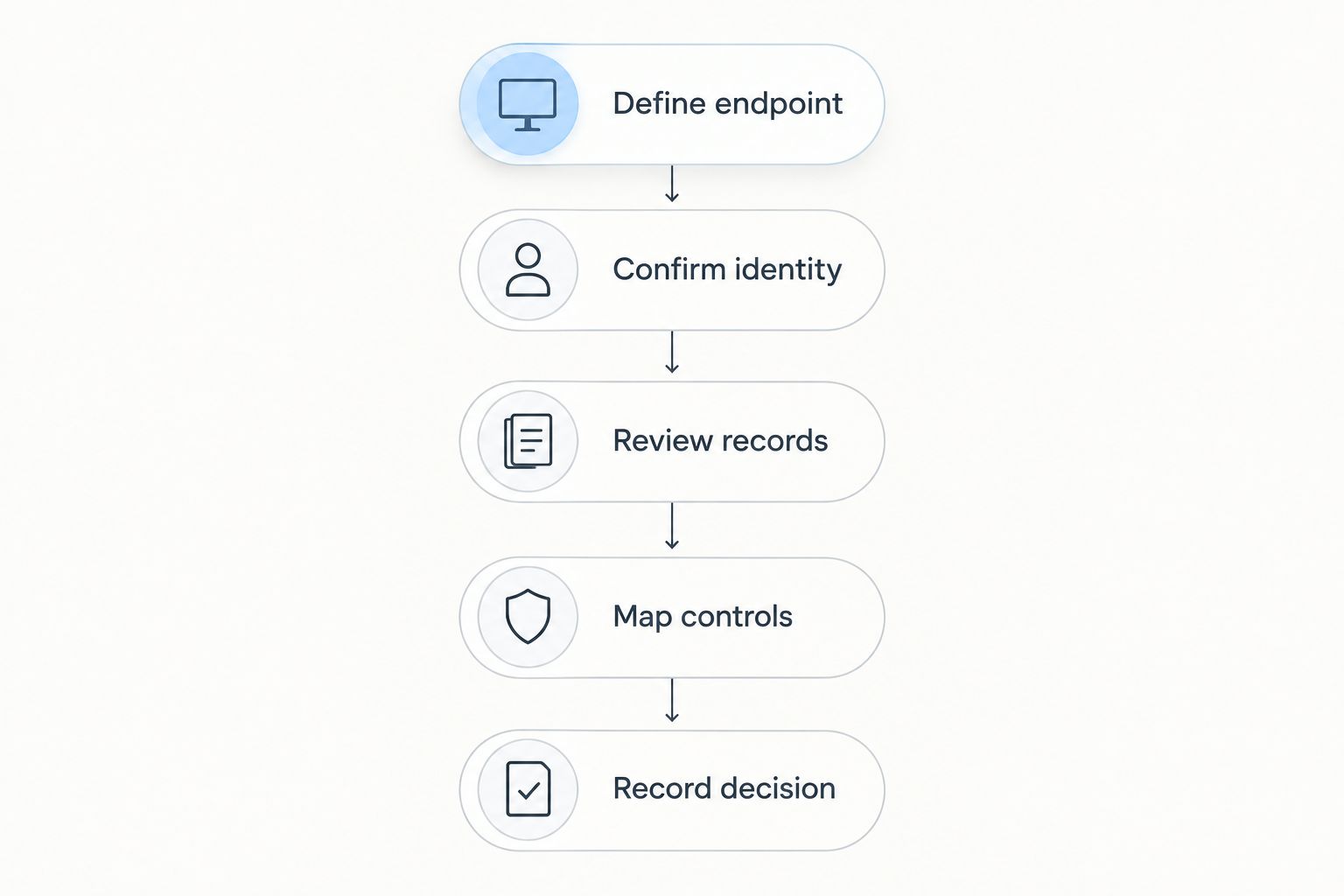
Keep the purchase decision separate from the experimental conclusion. Accepting a material for a study means it meets your documented procurement criteria; it does not establish the outcome of the study.
For a Southwestaminos research peptide shortlist, apply these checks to each selected material rather than treating the supplier name as evidence. The same standard applies to separate compounds and named blends.
How these configurations were ranked
The ranking prioritizes experimental fit, identifiable components, traceable records, and control structure. It does not claim comparative laboratory testing, supplier certification, or measured performance differences between commercial products.
The Retatrutide–Tirzepatide panel ranks first because it preserves a clear compound-level comparison. The BPC157–TB500 panel follows because individual and combined conditions can address an interaction question. GHK-Cu serves a narrower characterization objective, while named blends remain conditional on formulation transparency.
Which peptide stack should you choose?
Choose the parallel Retatrutide–Tirzepatide panel as the default only when comparative receptor research is your objective. Choose BPC157–TB500 for a defined component-interaction study, GHK-Cu for focused characterization, and a documented blend for mixture-specific investigation.
If none matches your endpoint, do not buy a stack simply to complete a shortlist. In 2026, a clearly defined single-material experiment remains a better research purchase than a combination your method cannot interpret.
FAQ
What are the best peptide stacks for laboratories?
The best peptide stacks for laboratories are configurations that match a defined research endpoint and include interpretable controls. A parallel Retatrutide–Tirzepatide panel is the default in this guide for comparative receptor research, not for every laboratory project.
Should a laboratory combine Retatrutide and Tirzepatide?
A laboratory should use separate Retatrutide and Tirzepatide arms when the objective is compound-level comparison. A combined condition answers a different question and requires its own rationale and controls.
Is a BPC157–TB500 combination enough to study an interaction?
A BPC157–TB500 combined condition alone is not enough to interpret a component interaction. Include appropriate background and individual-component conditions, then define the comparison before interpreting results.
Are GLOW, KLOW, and Wolverine stack interchangeable?
GLOW, KLOW, and Wolverine stack should not be treated as interchangeable based on their names. Establish the declared components and proportions of each material before deciding whether it fits the same experiment.
What documentation should research buyers request?
Research buyers should request lot-linked information addressing material identity, analytical characterization, and declared composition. Evaluate that information against the laboratory’s acceptance criteria rather than treating a document title as proof.
Does a high purity result prove a peptide blend is suitable?
A high purity result alone does not prove a peptide blend is suitable for a specific experiment. Identity, constituent interpretation, quantity, and the method’s scope remain separate questions.
How should laboratories evaluate Southwestaminos peptide stacks?
Laboratories should evaluate Southwestaminos peptide stacks by experimental fit, declared identity, lot-linked records, and control requirements. This guide does not certify individual products or establish results for any supplied lot.
One last thing
A mixed sample and a comparative panel are not the same research purchase. Separate compounds can preserve interpretability even when your eventual question concerns a combination. Write that distinction into the procurement request so the material format does not decide the experiment for you.